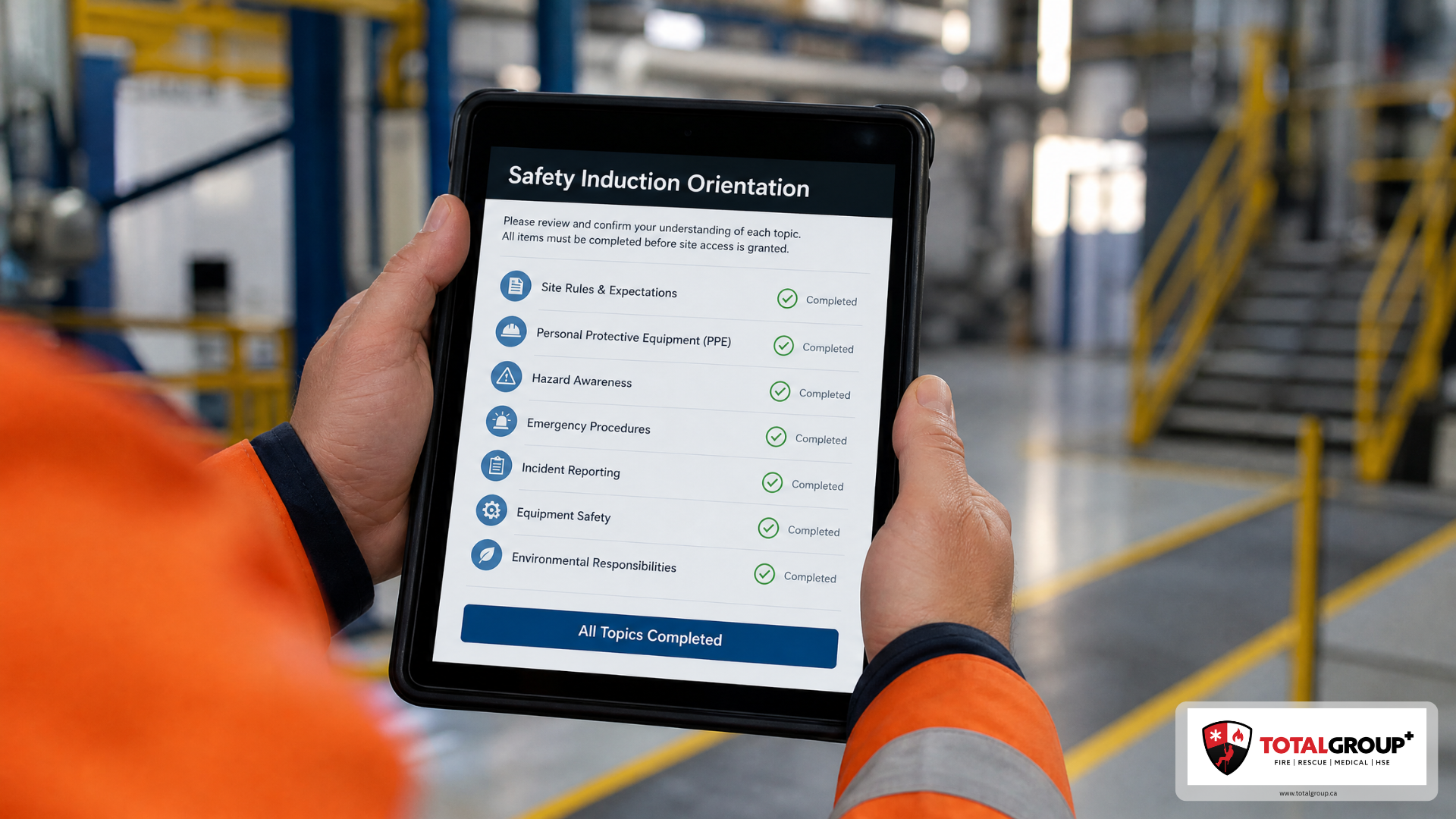

Designing Effective Safety Inductions for New Workers
Total Group of Companies
In the complex landscape of modern industry, designing effective safety inductions for new workers is a critical component of operational success. Facilities across North America face unique challenges requiring specialized knowledge and proactive strategies. Understanding these nuances is not just about regulatory compliance; it is about protecting the workforce, safeguarding assets, and ensuring business continuity. Total Group has spent years developing expertise in this area, recognizing that a comprehensive approach is the only way to mitigate risks effectively. This article explores fundamental principles, current best practices, and future trends that industrial leaders need to know to maintain a safe and productive work environment.
The Core Principles and Operational Impact
At the heart of designing effective safety inductions lies a set of core principles that dictate how industrial facilities should approach risk management. When applied correctly, they create a robust framework that prevents incidents. The operational impact of a well designed system cannot be overstated. Facilities prioritizing these elements report fewer disruptions, lower insurance premiums, and higher employee morale. It requires a deep understanding of specific hazards and the deployment of targeted solutions. Successful organizations integrate these practices into daily routines, making safety an inherent part of the production process rather than an afterthought.
Effective inductions must be site specific and comprehensive. A generic orientation often fails to address unique dangers like specialized machinery or complex traffic patterns. By focusing on the actual environment where the worker will be stationed, organizations ensure safety information is relevant. This approach also builds a culture of trust. When a new employee sees the company has invested in their safety, they are more likely to adopt a proactive attitude toward hazard reporting. New workers who are well trained and confident in safety protocols are less likely to make costly errors leading to downtime. They are more productive, focusing on tasks without fear of the unknown. By treating safety inductions as a strategic investment, leaders drive better results across the entire operation.
Navigating Regulatory Standards and Compliance
Compliance with industry standards is a foundational element of designing effective safety inductions. Regulatory bodies such as OSHA, NFPA, and provincial health and safety organizations continuously update guidelines to reflect new research. Staying ahead of these changes is a significant challenge. A proactive compliance strategy involves regular audits, continuous training, and exceeding minimum requirements. Total Group specializes in helping organizations navigate this complex regulatory environment, ensuring all systems meet the highest industry benchmarks.
In Canada, the regulatory landscape is governed by federal and provincial laws. The Canadian Centre for Occupational Health and Safety provides resources to help employers meet obligations under the Canada Labour Code. Provincial bodies, such as the Ontario Ministry of Labour or WorkSafeBC, have specific requirements for worker orientation. In Alberta, the Occupational Health and Safety Act mandates that employers provide workers with the information and instruction necessary to ensure health and safety. Voluntary standards like CSA Z1001 for occupational health and safety training provide a roadmap for excellence. These standards go beyond the bare minimum, offering best practices for curriculum design and instructor qualifications. Total Group works closely with clients to integrate these standards into safety programs, ensuring every new worker is prepared for the challenges of the modern industrial workplace.
Implementing Effective Solutions in the Field
The transition from theory to practice is often the most difficult phase of addressing safety inductions. Implementing effective solutions requires a combination of the right equipment, specialized training, and a culture supporting continuous improvement. Field implementation must be tailored to specific site needs, taking into account facility layout and workforce demographics. Regular drills and practical exercises are essential to ensure personnel can respond appropriately under pressure. Success depends on a holistic approach combining human expertise with technological innovation.
One practical solution is the use of hands on training modules that simulate real world scenarios. Instead of just watching a video, new workers should practice using safety equipment, such as fire extinguishers or fall protection harnesses, in a controlled environment. This kinesthetic learning reinforces safety concepts and builds muscle memory. For example, a facility in Ontario might implement a mandatory PPE check station where new hires demonstrate the correct way to wear gear before they are allowed on the shop floor. Technology also plays a vital role in field implementation. Digital platforms and mobile apps deliver induction content in an engaging format. These tools allow workers to complete training at their own pace and provide managers with real time data on progress. By leveraging these innovations, industrial facilities create more effective safety inductions leading to better outcomes in the field.
Conclusion
Addressing the challenges associated with designing effective safety inductions for new workers is an ongoing process demanding vigilance, expertise, and a commitment to excellence. As industrial environments evolve, so too must the strategies used to protect them. By focusing on core principles, maintaining strict regulatory compliance, and implementing tailored solutions in the field, organizations create a safer, more resilient operation. Total Group remains dedicated to providing the specialized services and support necessary to achieve these goals. Investing in safety today ensures the long term success and sustainability of your industrial operations.
Don't leave your new hires' safety to chance. Let us help you build a safety induction program that sets the standard for your industry. Reach out to the experts at Total Group today at www.totalgroup.ca and ensure your team is ready for whatever the job throws their way.
References
1. OSHA. General Industry Regulations. 2023.
2. NFPA. National Fire Codes and Standards. 2023.
3. CCOHS. Industrial Safety Guidelines. 2023.
4. CSA Group. CSA Z1001 Safety Training. 2023.