
Driving Safety in Industrial Operations: Fleet Management and Driver Behavior
Total Group of Companies
In the complex landscape of modern industry, driving safety in industrial operations stands out as a critical component of operational success. Facilities across North America face unique challenges that require specialized knowledge and proactive strategies. Understanding the nuances of this subject is not just about regulatory compliance; it is about protecting the workforce, safeguarding valuable assets, and ensuring business continuity. Total Group has spent years developing expertise, recognizing that a comprehensive approach is the only way to mitigate risks. This article explores the fundamental principles, current best practices, and future trends that every industrial leader needs to know.
The Core Principles and Operational Impact
At the heart of fleet management and driver behavior lies a set of core principles that dictate how industrial facilities should approach risk management. When these principles are applied correctly, they create a robust framework that prevents incidents before they occur. The operational impact of a well designed system cannot be overstated. Facilities that prioritize these elements report fewer disruptions, lower insurance premiums, and higher employee morale. It requires a deep understanding of the specific hazards present in the environment and the deployment of targeted solutions to address them. The most successful organizations integrate these practices into their daily routines, making safety an inherent part of the production process. One primary principle is the establishment of a proactive maintenance schedule. In an industrial setting, vehicles often operate under extreme conditions, leading to rapid wear and tear. Implementing a system where every vehicle is inspected daily and undergoes deep maintenance at regular intervals helps avoid mechanical failures that lead to accidents. Furthermore, driver behavior is a cornerstone of this framework. Core principles include rigorous screening for new hires, ongoing performance evaluations, and a commitment to continuous education. Fostering a culture where safe driving is celebrated transforms fleet operations into a model of efficiency and safety.
Navigating Regulatory Standards and Compliance
Compliance with industry standards is a foundational element of effective fleet management. Regulatory bodies such as OSHA, NFPA, and provincial health and safety organizations update their guidelines to reflect new research and technological advancements. A proactive compliance strategy involves regular audits, continuous training, and a commitment to exceeding minimum requirements. By aligning operational practices with the latest standards, companies avoid costly penalties and demonstrate a commitment to the well being of their personnel. Total Group of Companies specializes in helping organizations navigate this complex regulatory environment, ensuring that all systems and procedures meet the highest industry benchmarks. In the Canadian context, navigating the National Safety Code or NSC is essential for any operation that involves commercial vehicles. The NSC is a set of national standards for the safe operation of commercial vehicles, and compliance is monitored by provincial authorities such as the Ministry of Transportation in Ontario or ICBC in British Columbia. These standards cover everything from driver licensing and hours of service to vehicle maintenance and load security. For an industrial facility, this means ensuring that all drivers maintain valid logs and that every vehicle in the fleet meets the safety requirements of their specific province. A comprehensive compliance strategy must therefore integrate both transportation and occupational health standards to ensure that operations remain on the right side of the law.
Implementing Effective Solutions in the Field
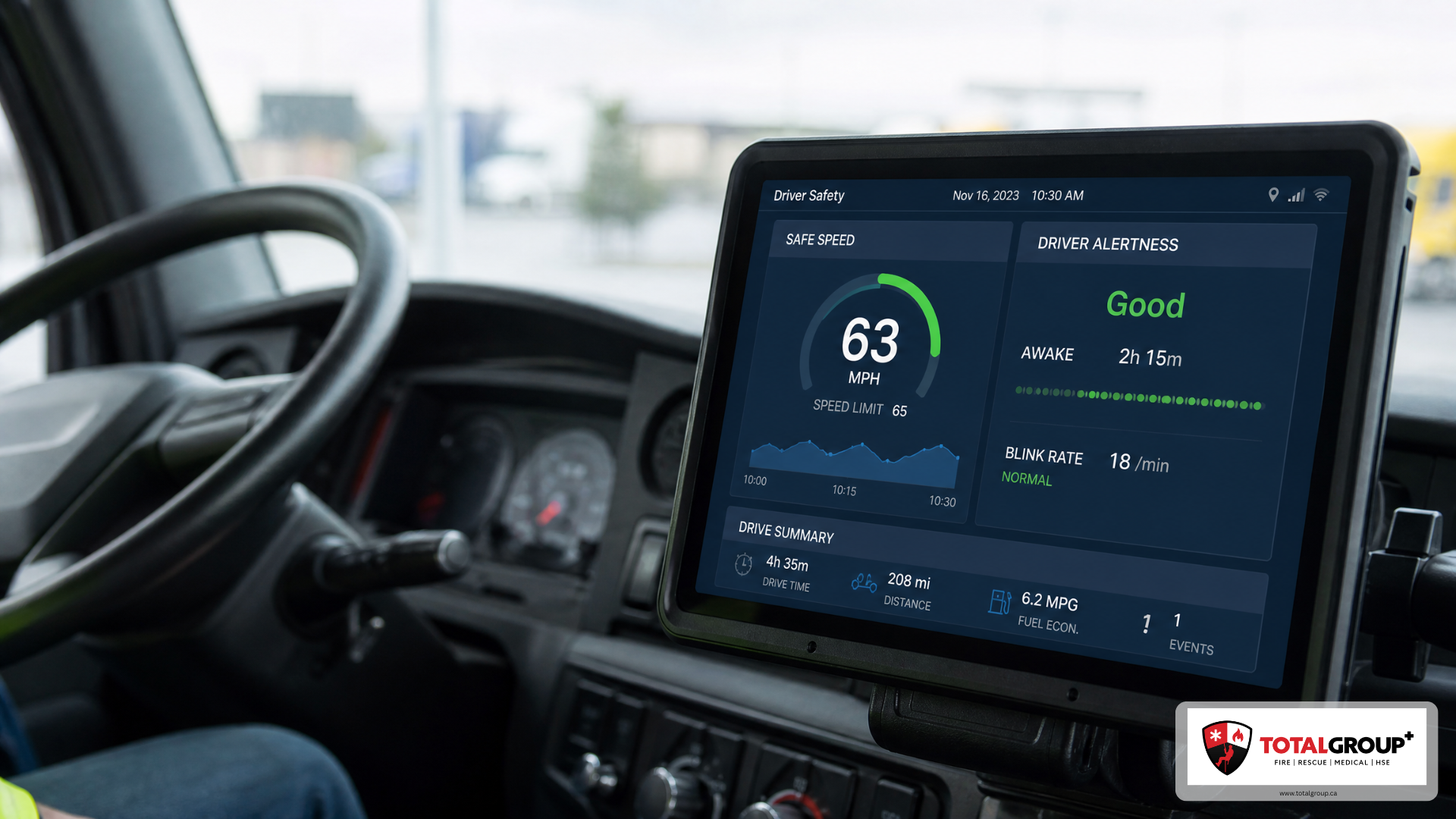
The transition from theory to practice is often the most difficult phase of addressing driver behavior. Implementing effective solutions requires a combination of the right equipment, specialized training, and a culture that supports continuous improvement. Field implementation must be tailored to the specific needs of the site, taking into account factors such as facility layout, workforce demographics, and production schedules. Regular drills and practical exercises are essential to ensure that personnel can respond appropriately under pressure. Furthermore, the integration of new technologies, such as advanced monitoring systems, is transforming how these challenges are managed on the ground. Success depends on a holistic approach that combines human expertise with technological innovation. A practical example of field implementation is the use of telematics and in cab monitoring systems. These technologies provide real time data on driver behavior, including speed, braking force, and cornering aggression. By analyzing these patterns, facility managers can implement targeted solutions, such as improving signage or providing additional training to specific drivers. Specialized training is another critical component of field implementation. This goes beyond basic driver education and focuses on the unique challenges of the industrial environment. Drivers should be trained in defensive driving techniques, load securement, and the proper use of specialized equipment. Fostering a culture of continuous improvement means that every incident or near miss is treated as a learning opportunity, preventing similar events from occurring in the future.
Conclusion
Addressing the challenges associated with fleet management and driver behavior is an ongoing process that demands vigilance, expertise, and a commitment to excellence. As industrial environments continue to evolve, so too must the strategies used to protect them. By focusing on core principles, maintaining strict regulatory compliance, and implementing tailored solutions in the field, organizations can create a safer, more resilient operation. Total Group of Companies remains dedicated to providing the specialized services and support necessary to achieve these goals. Investing in comprehensive safety strategies today is the most effective way to ensure the long term success and sustainability of your industrial operations.
Ready to take your fleet safety to the next level? Contact our expert team at Total Group and let us get to work.
References
1. OSHA. General Industry Regulations and Standards. 2023.
2. NFPA. National Fire Codes and Standards. 2023.
3. CCOHS. Industrial Safety Guidelines. 2023.
4. CCMTA. National Safety Code for Motor Carriers. 2023.