Fatality Investigation: Learning from the Worst Outcomes
Total Group of Companies
In the complex landscape of modern industry, fatality investigation stands out as a critical component of operational success. Facilities across North America face unique challenges requiring specialized knowledge and proactive strategies. Understanding these nuances is not just about regulatory compliance; it is about protecting the workforce, safeguarding assets, and ensuring business continuity. Total Group has spent years developing expertise in this area, recognizing that a comprehensive approach is the only way to mitigate risks effectively. This article explores fundamental principles and best practices every industrial leader needs to know.
The Core Principles and Operational Impact
At the heart of fatality investigation lies a set of core principles that dictate how industrial facilities should approach risk management. When applied correctly, they create a robust framework that prevents incidents. The operational impact of a well designed system cannot be overstated. Facilities prioritizing these elements report fewer disruptions, lower insurance premiums, and higher employee morale. It requires a deep understanding of specific hazards and the deployment of targeted solutions. Successful organizations integrate these practices into daily routines, making safety an inherent part of the production process.
A primary principle of investigation is finding the root cause rather than assigning blame. True safety excellence comes from understanding the systemic failures that allowed an error to become fatal. For example, if a worker falls, the investigation must look beyond the choice to not wear a harness. It must examine training programs, equipment availability, and site culture that may have normalized bypassing protocols. By addressing these underlying issues, organizations create a self correcting system that protects all workers. The operational impact of a thorough investigation extends far beyond the immediate site. It serves as a powerful learning tool for the entire industry. When findings are shared transparently, other facilities can implement preventive measures before a similar tragedy occurs. Furthermore, a culture that values learning from the worst outcomes builds trust. Employees are more likely to report near misses when they see the organization is committed to systemic improvement. This proactive engagement is a key driver of long term operational resilience.
Navigating Regulatory Standards and Compliance
Compliance with industry standards is a foundational element of fatality investigation. Regulatory bodies such as OSHA, NFPA, and provincial health and safety organizations continuously update their guidelines. A proactive compliance strategy involves regular audits, continuous training, and a commitment to exceeding minimum requirements. By aligning operational practices with the latest standards, companies avoid costly penalties and demonstrate a commitment to the well being of their personnel. Total Group helps organizations navigate this complex environment, ensuring all systems meet industry benchmarks.
In the Canadian context, industrial leaders must be familiar with the Westray Law, which is section 217.1 of the Criminal Code. This legislation established a legal duty for all persons who direct how others work to take reasonable steps to prevent bodily harm. Failure to do so can lead to criminal negligence charges against individuals and corporations in the event of a fatality. This adds accountability beyond provincial OHS acts. Investigations in Ontario or Alberta may involve both the provincial ministry and the police if criminal negligence is suspected. OSHA also maintains strict reporting and investigation requirements that must be followed. Failure to preserve a scene or provide documentation can lead to severe citations and damage firm reputation. Total Group provides the expertise necessary to manage these interactions, ensuring the investigation is conducted fairly and thoroughly. By maintaining a high standard of compliance, organizations protect themselves from legal jeopardy while reinforcing their commitment to safety.
Implementing Effective Solutions in the Field
The transition from theory to practice is often the most difficult phase of addressing fatality investigation. Implementing effective solutions requires a combination of the right equipment, specialized training, and a culture supporting continuous improvement. Field implementation must be tailored to specific site needs, taking into account facility layout, workforce demographics, and production schedules. Success depends on a holistic approach combining human expertise with technological innovation.
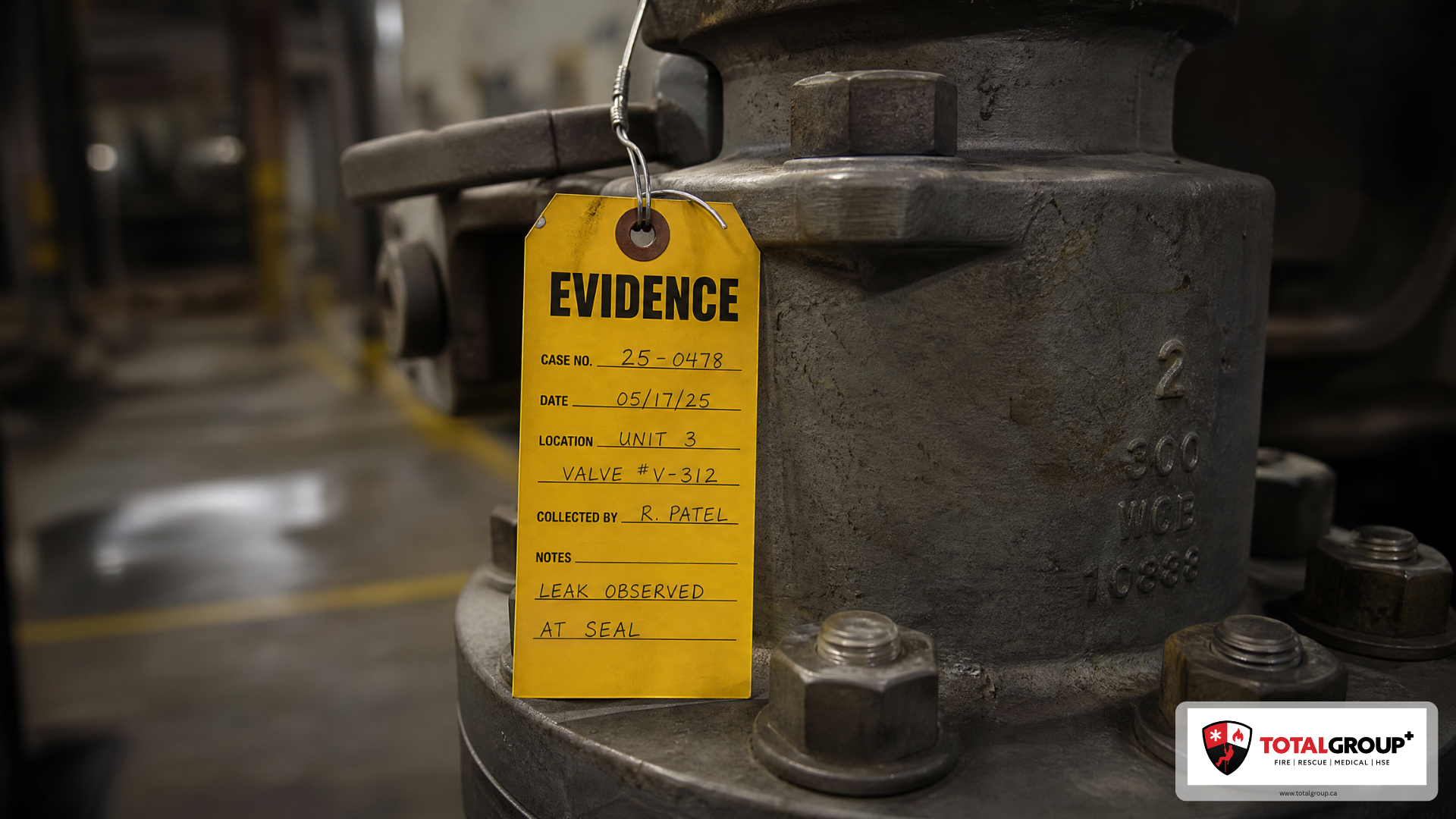
Practical field solutions often begin with the deployment of specialized investigation teams trained in forensic safety analysis. These teams use tools like 3D laser scanning to document a scene with absolute precision. This data collection is critical for accurate root cause analysis. Every worker must understand their role in the safety system. This includes training on how to preserve a scene after an incident and how to participate in the investigation process without fear. When workers are empowered to be part of the solution, the quality of the investigation improves significantly. They often possess granular knowledge of daily operations that management might miss. By fostering a culture of open communication, organizations turn every incident into a building block for a safer future.
Conclusion
Addressing the challenges associated with fatality investigation is an ongoing process demanding vigilance, expertise, and a commitment to excellence. As industrial environments evolve, so too must the strategies used to protect them. By focusing on core principles, maintaining strict regulatory compliance, and implementing tailored solutions in the field, organizations can create a safer, more resilient operation. Total Group provides the specialized services and support necessary to achieve these goals. Investing in safety today ensures the long term success and sustainability of your industrial operations.
Don't wait for a tragedy to evaluate your safety protocols. Reach out to Total Group today at www.totalgroup.ca and let us help you build a culture that prevents the worst outcomes before they happen.
References
1. OSHA. General Industry Regulations. 2023.
2. NFPA. Fire Codes and Standards. 2023.
3. CCOHS. Industrial Safety Guidelines. 2023.
4. Government of Canada. Westray Law. 2023.