





.png?width=352&name=Blogs%20images%20(54).png)
Foam Proportioning Systems: Getting the Mixture Right
Total Group of Companies
In the complex landscape of modern industry, foam proportioning systems are a critical component of operational success. Facilities across North America face unique challenges requiring specialized knowledge and proactive strategies. Understanding this subject involves protecting the workforce, safeguarding valuable assets, and ensuring business continuity. Total Group of Companies has developed expertise in this area, recognizing that a comprehensive approach mitigates risks effectively. This article explores fundamental principles, current best practices, and future trends every industrial leader needs to know.
The Core Principles and Operational Impact
At the heart of foam proportioning systems lies a set of core principles that dictate how industrial facilities should approach risk management. When applied correctly, they create a robust framework preventing incidents. The operational impact of a well designed system is significant, leading to fewer disruptions, lower insurance premiums, and higher employee morale. It requires understanding specific hazards and deploying targeted solutions. Successful organizations integrate these practices into daily routines, making safety an inherent part of the production process.
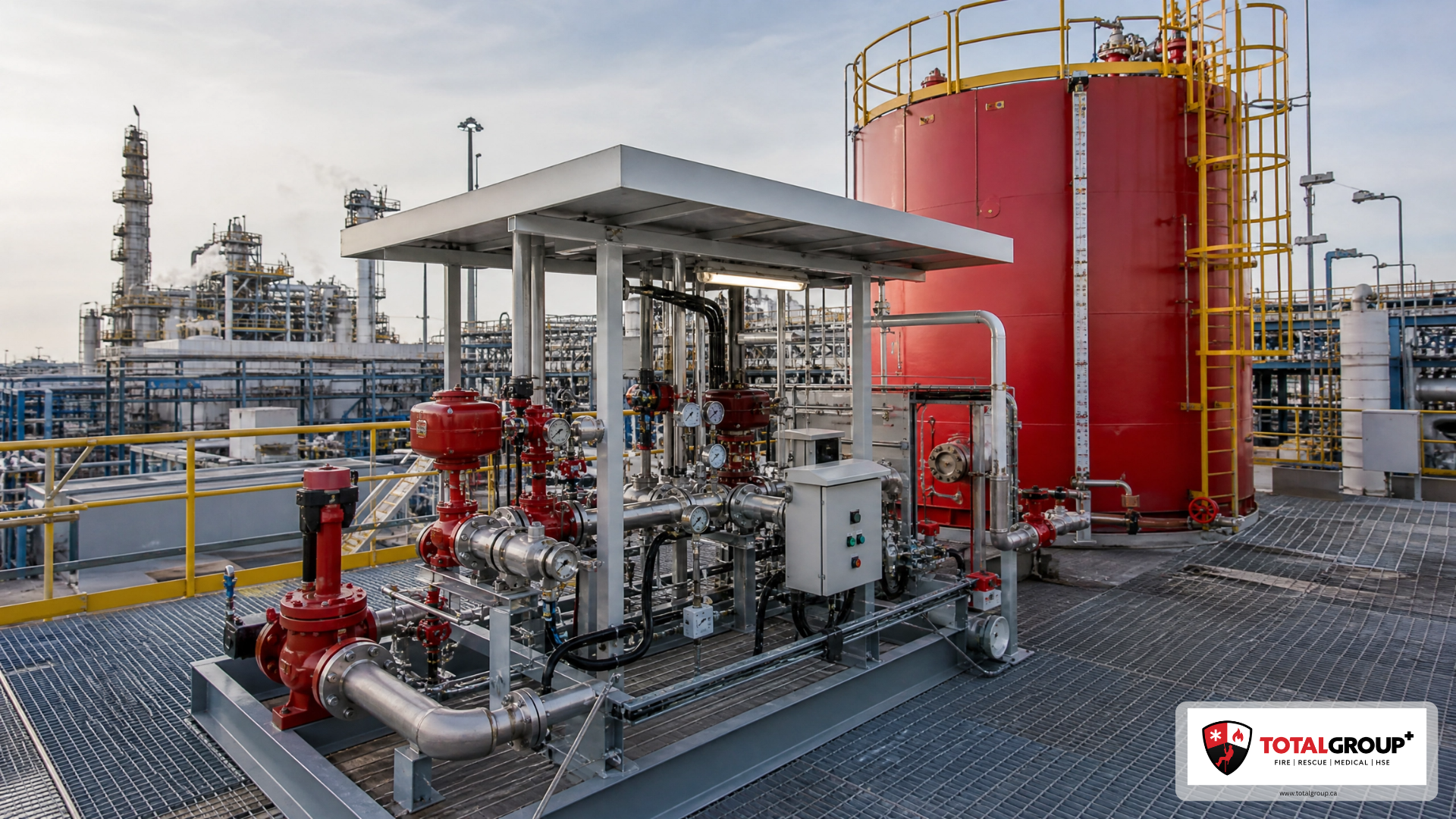
Foam proportioning systems are crucial for effective fire suppression, particularly in industries dealing with flammable liquids. These systems accurately mix foam concentrate with water to create a foam solution, which is then discharged through nozzles to form a foam blanket. This blanket suppresses fires by cooling, smothering, and separating the fuel from oxygen. The core principle is precise proportioning, as an incorrect mixture can render the system ineffective. Different types of foam concentrates (e.g., AFFF, FFFP, AR-AFFF) require specific proportioning rates, typically 1%, 3%, or 6%. The operational impact of a correctly designed and maintained system is significant, providing rapid and effective suppression of challenging fires, thereby minimizing damage and downtime. This precision ensures optimal firefighting performance and resource efficiency.
Navigating Regulatory Standards and Compliance
Compliance with industry standards is foundational for foam proportioning systems. Regulatory bodies like OSHA, NFPA, and provincial health and safety organizations continuously update guidelines. Staying ahead of these changes challenges facility managers. A proactive compliance strategy involves regular audits, continuous training, and exceeding minimum requirements. Aligning operational practices with standards avoids costly penalties and demonstrates commitment to personnel well being. Total Group of Companies specializes in helping organizations navigate this complex regulatory environment, ensuring all systems and procedures meet the highest industry benchmarks.
In Canada, foam proportioning systems are governed by national and provincial fire codes, often referencing NFPA 11 (Standard for Low, Medium, and High Expansion Foam) and NFPA 16 (Standard for the Installation of Foam Water Sprinkler and Foam Water Spray Systems). Provincial OHS regulations, such as those in Alberta (OHS Code) or Ontario (Occupational Health and Safety Act), mandate specific requirements for the design, installation, testing, and maintenance of these systems. This includes ensuring proper proportioning accuracy, regular testing of foam concentrate quality, and comprehensive training for personnel involved in system operation and maintenance. Adhering to these standards is crucial for ensuring the system's effectiveness and the safety of workers and the environment.
Implementing Effective Solutions in the Field
The transition from theory to practice is often the most difficult phase of addressing foam proportioning systems. Implementing effective solutions requires the right equipment, specialized training, and a culture that supports continuous improvement. Field implementation must be tailored to the specific needs of the site, considering factors like facility layout, workforce demographics, and production schedules. Regular drills and practical exercises are essential to ensure personnel can respond appropriately under pressure. The integration of new technologies, such as advanced monitoring systems and automated response protocols, is transforming how these challenges are managed. Success depends on a holistic approach combining human expertise with technological innovation.
Practical workplace examples of foam proportioning systems include their deployment in petrochemical plants for tank farm protection, in aircraft hangars for fuel fire suppression, and in marine terminals for spill response. These systems often utilize various proportioning methods, such as balanced pressure proportioners, in line inductors, or bladder tanks, each selected based on the specific application and foam concentrate type. A key practical consideration is the regular calibration and testing of proportioning equipment to ensure the correct foam solution mixture. In Canadian industrial settings, emergency response teams conduct frequent drills involving foam systems, practicing deployment scenarios and ensuring that all personnel are proficient in operating the equipment and understanding the properties of the foam agents used.
Conclusion
Addressing the challenges associated with foam proportioning systems is an ongoing process demanding vigilance, expertise, and a commitment to excellence. As industrial environments evolve, so too must protective strategies. By focusing on core principles, maintaining strict regulatory compliance, and implementing tailored solutions, organizations can create safer, more resilient operations. Total Group of Companies remains dedicated to providing specialized services and support to achieve these goals. Investing in comprehensive safety strategies today ensures long term success and sustainability.
Ready to strengthen your foam proportioning systems strategy? Contact Total Group of Companies today at www.totalgroup.ca to learn how our expert teams can support your operations.
References
1. Occupational Safety and Health Administration (OSHA). General Industry Regulations and Standards. Washington, DC: Department of Labor, 2023.
2. National Fire Protection Association (NFPA). National Fire Codes and Standards. Quincy, MA: NFPA, 2023.
3. Canadian Centre for Occupational Health and Safety (CCOHS). Industrial Safety Guidelines. Hamilton, ON: CCOHS, 2023.
4. NFPA 11: Standard for Low, Medium, and High Expansion Foam. National Fire Protection Association, 2022.
5. NFPA 16: Standard for the Installation of Foam Water Sprinkler and Foam Water Spray Systems. National Fire Protection Association, 2022.
6. Alberta Occupational Health and Safety Code. Government of Alberta, 2023.
7. Occupational Health and Safety Act. Government of Ontario, 2023.
-Jul-09-2026-11-28-09-1365-PM.png?width=352&name=Blogs%20images%20(4)-Jul-09-2026-11-28-09-1365-PM.png)
-Jul-09-2026-11-14-25-0659-PM.png?width=352&name=Blogs%20images%20(3)-Jul-09-2026-11-14-25-0659-PM.png)


