





Personal Protective Equipment in HAZMAT Operations: Levels A Through D
Total Group of Companies
In the complex landscape of modern industry, effective personal protective equipment (PPE) in HAZMAT operations is paramount. Facilities across North America face unique challenges requiring specialized knowledge and proactive strategies. Understanding this subject is not just about regulatory compliance; it is about protecting the workforce, safeguarding valuable assets, and ensuring business continuity. Total Group of Companies has years of expertise in this area, recognizing that a comprehensive approach is the only way to mitigate risks effectively. This article explores the fundamental principles, current best practices, and future trends every industrial leader needs to know.
The Core Principles and Operational Impact
At the heart of PPE in HAZMAT operations are core principles for risk management. Applied correctly, these create a robust framework preventing incidents. A well designed system significantly impacts operations, leading to fewer disruptions, lower insurance premiums, and higher employee morale. This demands a deep understanding of specific hazards and targeted solutions. Successful organizations integrate these practices into daily routines, making safety an inherent part of production.
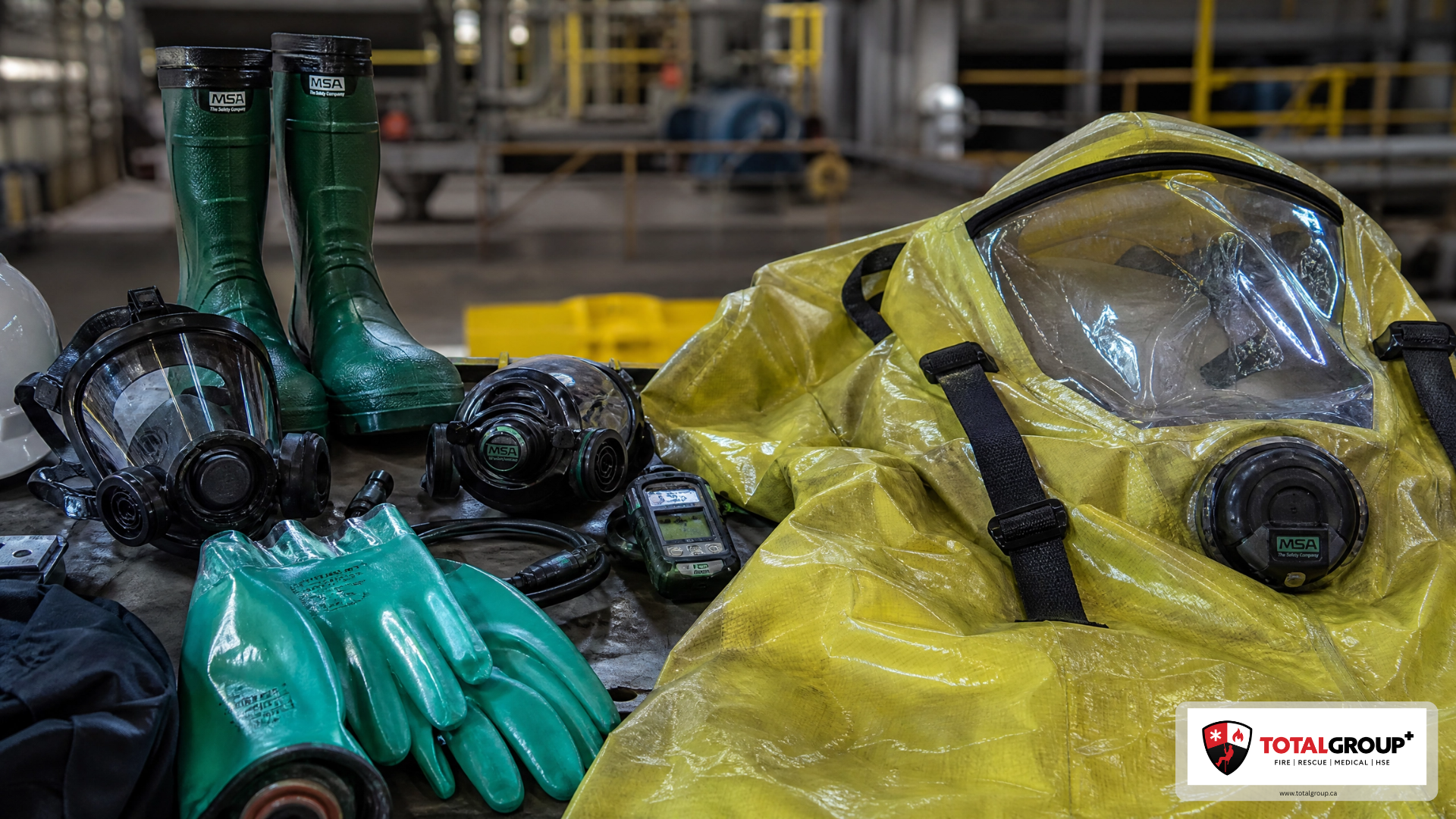
HAZMAT operations involve dangerous substances, making appropriate PPE critical. The four levels (A, B, C, D) protect against chemical, biological, radiological, and nuclear (CBRN) hazards. Level A offers the highest protection: a fully encapsulated, vapor tight suit, self contained breathing apparatus (SCBA), and chemical resistant gloves and boots, for unknown or highly toxic substances. Level B provides less skin protection but equal respiratory protection to Level A, typically a non vapor tight suit with SCBA. Level C protects against airborne contaminants with a full face or half mask air purifying respirator, chemical resistant clothing, and gloves and boots. Level D offers minimal protection, a work uniform, suitable only when hazards are absent or the atmosphere is known safe. Correct PPE selection is paramount for operational success, directly impacting responder safety and incident mitigation.
Navigating Regulatory Standards and Compliance
Compliance with industry standards is foundational for PPE in HAZMAT operations. Regulatory bodies like OSHA, NFPA, and provincial health and safety organizations continuously update guidelines. Staying ahead challenges facility managers. A proactive compliance strategy involves regular audits, continuous training, and exceeding minimum requirements. Aligning operational practices with latest standards helps companies avoid costly penalties and demonstrates commitment to personnel well being. Total Group of Companies specializes in navigating this complex regulatory environment, ensuring all systems and procedures meet highest industry benchmarks.
In Canada, PPE use in HAZMAT operations is governed by federal, provincial, and territorial regulations. Health Canada provides chemical safety guidelines, while provincial OHS acts (e.g., Ontario’s OHSA, Alberta’s OHS Act) mandate specific requirements for PPE selection, use, maintenance, and training. CSA Group standards (e.g., CSA Z94.4 for respirators) are often referenced and legally enforceable. Employers must conduct thorough hazard assessments to determine appropriate PPE levels for each HAZMAT scenario, ensuring equipment is certified, properly fitted, and regularly inspected. Training programs must cover PPE limitations, proper donning and doffing, and emergency protocols. This multi jurisdictional approach emphasizes understanding local requirements for full compliance and optimal worker protection.
Implementing Effective Solutions in the Field
Transitioning from theory to practice is often the most difficult phase of addressing PPE in HAZMAT operations. Effective solutions require the right equipment, specialized training, and a culture supporting continuous improvement. Field implementation must be tailored to site specific needs, considering facility layout, workforce demographics, and production schedules. Regular drills and practical exercises are essential for personnel to respond appropriately under pressure. Integrating new technologies, such as advanced monitoring systems and automated response protocols, is transforming how these challenges are managed. Success depends on a holistic approach combining human expertise with technological innovation.
Practical PPE implementation examples include dedicated decontamination corridors for responders exiting HAZMAT zones, ensuring contaminated gear is safely removed and contained. Advanced gas detection systems continuously monitor the atmosphere, providing real time data to incident commanders and allowing immediate adjustments to PPE requirements. In Canadian industrial settings, many facilities conduct annual HAZMAT drills involving full scale deployment of various PPE levels, including simulated chemical spills or gas leaks. These drills often include scenarios where responders navigate complex industrial environments, rescue simulated casualties, and perform decontamination procedures under realistic conditions. Such exercises are invaluable for identifying training or equipment gaps, refining emergency response plans, and fostering preparedness.
Conclusion
Addressing PPE challenges in HAZMAT operations is an ongoing process demanding vigilance, expertise, and excellence. As industrial environments evolve, so too must protection strategies. By focusing on core principles, maintaining strict regulatory compliance, and implementing tailored solutions, organizations can create safer, more resilient operations. Total Group of Companies remains dedicated to providing specialized services and support to achieve these goals. Investing in comprehensive safety strategies today is the most effective way to ensure long term success and sustainability of your industrial operations.
References
1. Occupational Safety and Health Administration (OSHA). General Industry Regulations and Standards. Washington, DC: Department of Labor, 2023.
2. National Fire Protection Association (NFPA). National Fire Codes and Standards. Quincy, MA: NFPA, 2023.
3. Canadian Centre for Occupational Health and Safety (CCOHS). Industrial Safety Guidelines. Hamilton, ON: CCOHS, 2023.
4. Health Canada. Chemical Safety. Ottawa, ON: Health Canada, 2023.
5. CSA Group. CSA Z94.4: Selection, Use, and Care of Respirators. Toronto, ON: CSA Group, 2023.
-3.png?width=352&name=Blogs%20images%20(1)-3.png)


