


Rescue Team Fitness and Physical Conditioning
Total Group of Companies
In the complex landscape of modern industry, rescue team fitness represents a critical foundation for effective emergency response and worker protection. Facilities across North America face unique challenges that require specialized knowledge and proactive strategies. Understanding the nuances of rescue team fitness is not just about regulatory compliance; it is about protecting the workforce, safeguarding valuable assets, and ensuring business continuity. Total Group of Companies has spent years developing expertise in this critical area, recognizing that a comprehensive approach is the only way to mitigate risks effectively. A physically conditioned rescue team can respond faster, work longer, and make better decisions under stress. This article explores the fundamental principles, current best practices, and future trends that every industrial leader needs to know.
The Core Principles and Operational Impact
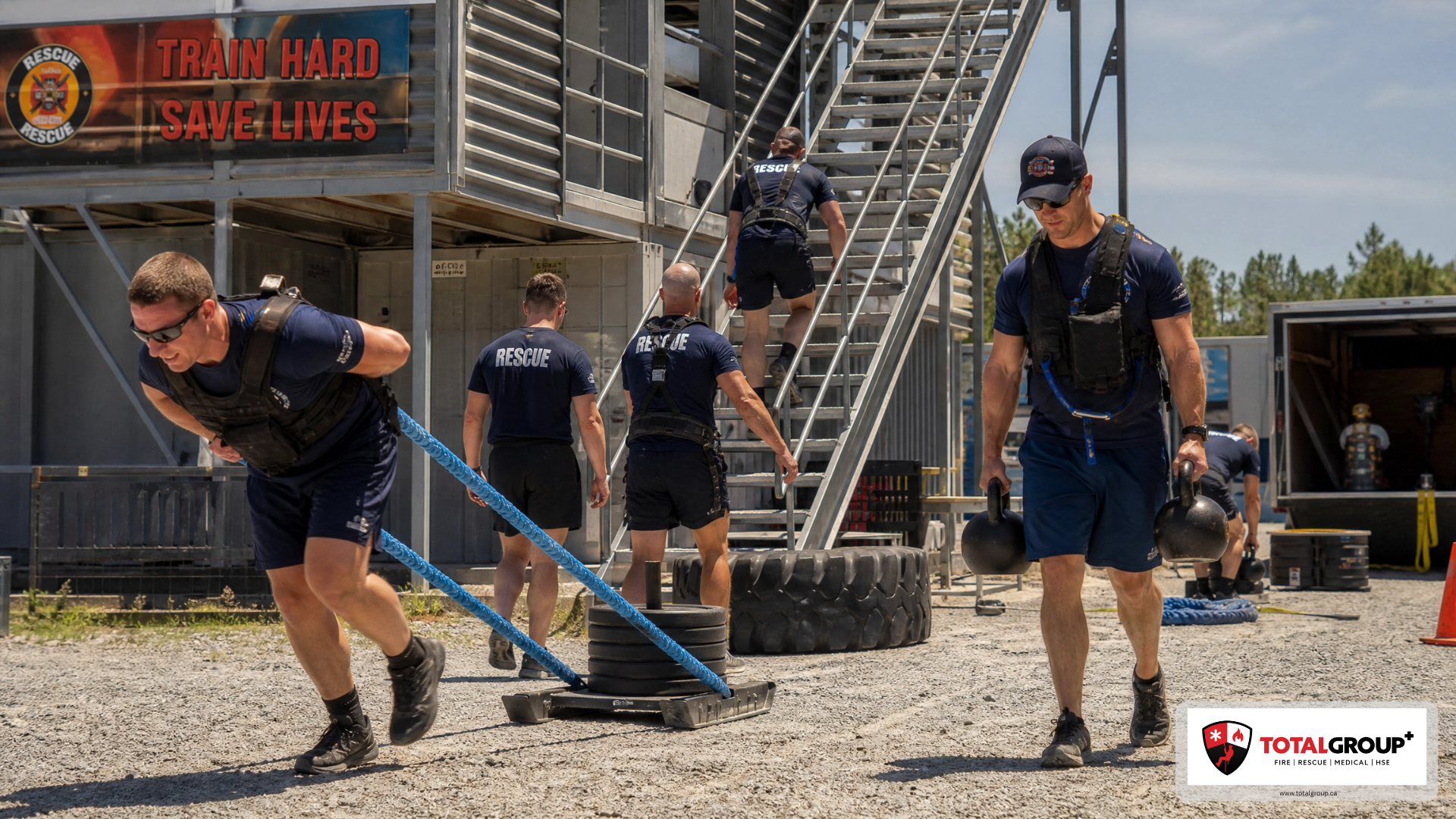
At the heart of rescue team fitness lies a set of core principles that dictate how facilities should approach physical conditioning for rescue personnel. Rescue operations demand specific physical capabilities. Rescuers must have cardiovascular endurance to work in demanding conditions. Rescuers must have functional strength to move loads and navigate obstacles. Rescuers must have flexibility and agility to work in confined spaces and difficult positions. Rescuers must have mental toughness to make decisions under stress and fatigue.
When these principles are applied correctly, they create a robust framework that prevents incidents before they occur. The operational impact of a well designed system cannot be overstated. Facilities that prioritize these elements consistently report fewer disruptions, lower insurance premiums, and higher employee morale. It requires a deep understanding of the specific hazards present in the environment and the deployment of targeted solutions to address them.
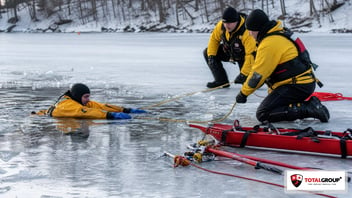
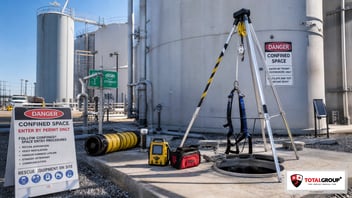
Physical fitness requirements vary based on the types of rescue operations. High angle rescue requires upper body strength and endurance. Confined space rescue requires flexibility and mental toughness. Water rescue requires cardiovascular endurance and swimming ability. Each rescue type requires specific fitness components and training protocols.
The most successful organizations integrate these practices into their daily routines, making fitness an inherent part of rescue operations rather than an afterthought. This integration includes regular fitness testing, structured training programs, medical screening, and injury prevention protocols. Facilities that conduct regular fitness training and testing see significantly better outcomes when actual emergencies occur. Personnel who maintain physical fitness can execute rescues more efficiently and with better protection for both rescuers and victims.
Navigating Regulatory Standards and Compliance
Compliance with industry standards is a foundational element of rescue team fitness programs. Regulatory bodies such as OSHA, NFPA, and provincial health and safety organizations including WorkSafeBC and provincial fitness standards continuously update their guidelines to reflect new research and technological advancements. Staying ahead of these changes is a significant challenge for facility managers.
OSHA standards require that employers ensure rescue personnel are physically capable of performing rescue operations. NFPA 1582 establishes medical requirements for firefighters and rescue personnel, including fitness standards and medical screening procedures. The standard requires that rescue personnel meet specific fitness benchmarks and pass medical evaluations before performing rescue duties. NFPA 1006 establishes technical rescue competencies that include physical fitness requirements. In Canada, WorkSafeBC and provincial occupational health and safety regulations establish requirements for rescue team fitness, medical screening, and fitness testing procedures.
A proactive compliance strategy involves regular audits, continuous training, and a commitment to exceeding minimum requirements. By aligning operational practices with the latest standards, companies not only avoid costly penalties but also demonstrate a genuine commitment to the well being of their personnel. This includes maintaining detailed records of fitness testing results, medical screening documentation, training completion, injury tracking, and fitness program participation. Organizations should conduct annual compliance reviews to ensure that all systems and procedures meet the highest industry benchmarks.
Total Group of Companies specializes in helping facilities navigate this complex regulatory environment. Our team stays current with evolving fitness standards across jurisdictions and helps operations implement effective rescue team fitness programs that actually work in real world conditions.
Implementing Effective Solutions in the Field
The transition from theory to practice is often the most difficult phase of establishing an effective rescue team fitness program. Implementing effective solutions requires a combination of the right equipment, specialized training, and a culture that supports continuous improvement. Field implementation must be tailored to the specific needs of the facility, taking into account factors such as types of rescue operations, workforce demographics, and facility resources.
Effective field implementation includes several key components. First, establish fitness standards and testing procedures specific to your rescue operations. These should include cardiovascular endurance tests, functional strength assessments, and job specific fitness evaluations. Second, develop structured training programs that address identified fitness gaps and maintain fitness levels. This includes regular training schedules, progressive resistance training, cardiovascular conditioning, and functional fitness exercises. Third, implement medical screening procedures to identify personnel who may have health concerns that could affect rescue performance.
Regular fitness testing and training are essential to ensure that personnel maintain the physical capabilities required for rescue operations. A facility that conducts quarterly fitness testing and maintains regular training programs will see significantly better outcomes than one that relies solely on annual fitness assessments. These programs should include cardiovascular conditioning, strength training, functional fitness exercises using rescue equipment, and job specific training. Furthermore, the integration of new technologies, such as fitness tracking systems that monitor personnel conditioning, wearable devices that provide real time fitness data, and training software that tracks progress, is transforming how rescue team fitness is managed. Modern fitness programs increasingly incorporate data driven approaches to fitness assessment and training.
Success depends on a holistic approach that combines human expertise with technological innovation. This means investing in fitness facilities and equipment, providing professional training and coaching, and continuously evaluating and improving your fitness programs based on performance data and lessons learned from rescue operations.
Conclusion
Addressing the challenges associated with rescue team fitness and physical conditioning is an ongoing process that demands vigilance, expertise, and a commitment to excellence. As rescue operations continue to evolve and demands on rescue personnel increase, so too must the strategies used to maintain fitness. By focusing on core principles of functional fitness and job specific conditioning, maintaining strict regulatory compliance, and implementing tailored fitness programs in the field, organizations can create a safer, more resilient rescue operation. The investment in comprehensive rescue team fitness programs today pays dividends in improved rescue performance, reduced injuries, improved regulatory standing, and enhanced employee confidence.
Ready to strengthen your rescue team fitness program? Contact Total Group of Companies today at www.totalgroup.ca to learn how our expert teams can support your operations.
References
1. Occupational Safety and Health Administration (OSHA ). General Industry Regulations and Standards. Washington, DC: Department of Labor, 2023.
2. National Fire Protection Association (NFPA). NFPA 1582: Standard on Comprehensive Occupational Medical and Health Program for Fire Departments. Quincy, MA: NFPA, 2023.
3. National Fire Protection Association (NFPA). NFPA 1006: Standard for Technical Rescue Personnel Competencies. Quincy, MA: NFPA, 2023.
4. Canadian Centre for Occupational Health and Safety (CCOHS). Industrial Safety Guidelines. Hamilton, ON: CCOHS, 2023.
5. WorkSafeBC. Occupational Health and Safety Regulation. Victoria, BC: Province of British Columbia, 2023.
6. American College of Sports Medicine (ACSM). Guidelines for Exercise Testing and Prescription. Indianapolis, IN: ACSM, 2023.