


.png)
The Golden Hour: Why Rapid Medical Response Saves Lives
Total Group of Companies
In the complex landscape of modern industry, rapid medical response is the difference between life and death. Every minute counts in emergency medical care. The golden hour is a medical concept referring to the critical first 60 minutes after a serious injury or medical emergency. During this period, rapid medical intervention and transport to definitive care dramatically improve survival rates and reduce long term disability. The term originated in trauma medicine, where research demonstrated that trauma patients who receive definitive surgical care within the first hour after injury have significantly higher survival rates than those who receive delayed care. The golden hour principle applies broadly to occupational emergencies including traumatic injuries, cardiac events, respiratory emergencies, and severe medical conditions. In industrial settings, the ability to recognize emergencies, activate rapid medical response, provide immediate first aid, and coordinate emergency transport can mean the difference between survival and death. Understanding the golden hour concept, implementing rapid response procedures, and coordinating with emergency medical services are critical components of occupational safety and health management.
The Core Principles and Operational Impact
Effective rapid medical response rests on five core principles that guide comprehensive emergency preparedness and time-critical intervention.
The first principle is recognizing medical emergencies and activating rapid response. Medical emergencies include traumatic injuries such as severe bleeding, crush injuries, or head injuries; cardiac events such as heart attacks or cardiac arrest; respiratory emergencies such as severe asthma attacks or choking; and severe medical conditions such as stroke or severe allergic reactions. Rapid recognition of these emergencies is critical because every minute without intervention reduces survival chances. Facilities must establish clear procedures for recognizing emergencies, activating emergency response, and notifying emergency medical services. All workers should be trained to recognize common medical emergencies and activate emergency procedures without delay.
The second principle is providing immediate first aid and life-saving interventions. Immediate first aid measures can prevent death or disability before emergency medical services arrive. Critical interventions include hemorrhage control through direct pressure and tourniquets to stop severe bleeding; airway management to maintain open airways for breathing; cardiopulmonary resuscitation (CPR) for cardiac arrest; automated external defibrillation (AED) for cardiac arrhythmias; and shock management through positioning and keeping patients warm. These interventions must be provided immediately by trained personnel at the scene. Delays in providing these critical interventions significantly reduce survival chances.
The third principle is rapid emergency medical services activation and coordination. Emergency medical services must be activated immediately when serious injuries or medical emergencies occur. Rapid activation includes calling 911 or the local emergency number, providing clear location information, describing the emergency and patient condition, and following dispatcher instructions. Coordination with emergency medical services includes meeting the ambulance at the facility entrance, providing patient information to paramedics, and facilitating rapid transport to the nearest appropriate hospital. Delays in activating emergency medical services or providing location information can add critical minutes to response time.
The fourth principle is rapid patient transport to definitive care. The golden hour concept emphasizes the importance of rapid transport to a hospital or trauma center where definitive medical care can be provided. Rapid transport means minimizing time at the scene and getting the patient to the hospital as quickly as possible. This principle drives emergency medical services to prioritize rapid transport over extended on-scene treatment for serious injuries. Facilities should be aware of the nearest hospitals and trauma centers and ensure that emergency medical services can access the facility quickly for rapid patient transport.
The fifth principle is emergency preparedness and coordination. Facilities must be prepared for medical emergencies through emergency action planning, first aid training, emergency equipment maintenance, and regular emergency drills. Emergency action plans should identify potential medical emergencies, establish emergency response procedures, identify emergency contacts and resources, and establish communication procedures. All workers should receive first aid and CPR training. Emergency equipment such as automated external defibrillators (AEDs) and first aid kits should be maintained and readily accessible. Regular emergency drills should be conducted to ensure that personnel can respond appropriately under pressure.
The operational impact of effective rapid medical response is substantial. Facilities that implement comprehensive emergency response programs report improved survival rates for serious injuries and medical emergencies, reduced long term disability from injuries, reduced workers compensation claims, and improved worker confidence in facility safety. Rapid response saves lives.
Navigating Regulatory Standards and Compliance
Rapid medical response and emergency preparedness are addressed in occupational safety regulations and guidelines across North America, with specific requirements for employer responsibility.
In the United States, OSHA requires employers to develop and implement emergency action plans that address potential emergencies including medical emergencies. OSHA regulation 29 CFR 1910.38 requires employers to develop written emergency action plans that include procedures for reporting fires and emergencies, emergency evacuation procedures, procedures for employees who remain to operate critical operations, rescue and medical duties for designated employees, and names and phone numbers of emergency contacts. OSHA also requires employers to provide first aid and CPR training for designated employees. The National Fire Protection Association (NFPA) provides standards for emergency response including NFPA 1500 (Fire Department Occupational Safety and Health Program) and NFPA 1670 (Standard on Operations and Training for Technical Search and Rescue Incidents), which address emergency medical response for fire and rescue personnel. Facilities must verify that emergency action plans and first aid training meet all OSHA requirements.
In Canada, provincial occupational health and safety legislation requires employers to develop emergency action plans and provide first aid training. Most provinces require employers to assess potential emergencies, develop written emergency procedures, designate and train emergency response personnel, provide first aid kits and emergency equipment, and conduct regular emergency drills. The Canadian Centre for Occupational Health and Safety (CCOHS) provides comprehensive emergency preparedness guidelines including emergency action planning, first aid training requirements, and emergency response procedures. The CSA (Canadian Standards Association) provides occupational health and safety standards addressing emergency preparedness. Provincial workers compensation boards typically require emergency action plans and first aid training as conditions of workplace insurance. Provinces such as British Columbia, Ontario, and Alberta have specific emergency preparedness requirements for different industries.
Both jurisdictions emphasize employer responsibility for emergency preparedness. Employers must develop and implement emergency action plans, provide first aid and CPR training for designated employees, maintain emergency equipment and supplies, conduct regular emergency drills, and establish procedures for coordinating with emergency medical services. Workers have the right to refuse unsafe work if emergency procedures are inadequate. Facilities must verify that emergency preparedness programs meet applicable standards and regulations before deploying workers in hazardous environments.
Implementing Effective Solutions in the Field
Implementing effective rapid medical response requires emergency action planning, first aid training, emergency equipment maintenance, emergency drills, and coordination with emergency medical services.
Emergency Action Planning establishes comprehensive procedures for medical emergency response. Emergency action plans should identify potential medical emergencies in the workplace, establish procedures for recognizing and reporting emergencies, identify emergency response personnel and their responsibilities, establish procedures for activating emergency medical services, identify emergency equipment and supplies available, establish communication procedures for emergency notification, identify the nearest hospitals and trauma centers, establish procedures for coordinating with emergency medical services, and establish procedures for post-incident follow-up and investigation. Plans should be documented, communicated to all workers, and reviewed annually.
First Aid and CPR Training ensures that designated employees can provide immediate life-saving interventions. First aid training should cover recognition of medical emergencies, basic first aid procedures, hemorrhage control and wound care, fracture and bone injury management, shock management, and emergency medical services coordination. CPR training should cover recognition of cardiac arrest, proper CPR technique, and automated external defibrillator (AED) operation. All first aid and CPR training should be provided by certified instructors and should meet American Heart Association or equivalent standards. Designated first aid personnel should receive training and maintain current certifications. All workers should receive basic first aid awareness training.
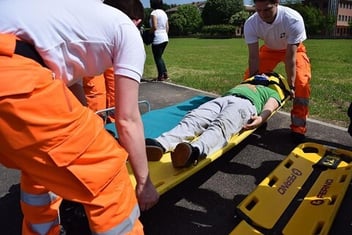
Emergency Equipment Maintenance ensures that emergency equipment is available and functional when needed. Emergency equipment should include first aid kits, automated external defibrillators (AEDs), oxygen equipment, emergency stretchers, and emergency communication equipment. All equipment should be inspected regularly, maintained according to manufacturer specifications, and replaced when damaged or expired. Equipment should be stored in accessible locations for rapid deployment and organized for quick identification and selection. Staff should be trained in the use of all emergency equipment.
Emergency Drills and Exercises ensure that personnel can respond appropriately to medical emergencies. Emergency drills should simulate realistic medical emergency scenarios and test emergency response procedures. Drills should involve all emergency response personnel and test communication procedures, emergency equipment operation, emergency medical services coordination, and patient transport procedures. Drills should be conducted at least annually and more frequently for high-risk facilities. Drills should be evaluated and debriefed to identify areas for improvement.
Emergency Medical Services Coordination ensures rapid response to medical emergencies. Facilities should establish relationships with local emergency medical services and identify the nearest hospitals and trauma centers. Facilities should ensure that emergency medical services can access the facility quickly and identify the best location for ambulance arrival and patient loading. Facilities should provide emergency medical services with facility information including layout, access routes, and location of emergency equipment. Facilities should establish procedures for meeting emergency medical services personnel and providing patient information for rapid transport to the hospital.
Communication and Notification Procedures ensure rapid activation of emergency response. Communication procedures should establish clear methods for reporting emergencies, identifying who should be notified in emergencies, and establishing communication with emergency medical services. Facilities should ensure that emergency phone numbers are posted prominently and that all workers know how to activate emergency response. Facilities should consider installing emergency communication systems such as emergency call boxes or emergency alert systems for rapid notification of emergencies.
Conclusion
The golden hour represents a critical window of opportunity where rapid medical response and immediate intervention save lives and reduce long term disability. The combination of emergency action planning, first aid training, emergency equipment maintenance, emergency drills, and coordination with emergency medical services creates a robust framework that enables rapid response to medical emergencies. Effective rapid medical response prevents deaths, reduces disability, and demonstrates commitment to worker safety and health.
Total Group of Companies specializes in occupational health and safety, emergency preparedness, rapid medical response, and worker protection. Whether you operate in the United States, Canada, or both, our expert teams understand medical emergencies, emergency response procedures, regulatory requirements, and facility-specific needs. We work with facility managers to develop comprehensive emergency action plans, coordinate first aid and CPR training, establish emergency equipment and procedures, conduct emergency drills and exercises, and coordinate with emergency medical services.
Ready to elevate your golden hour: strategy? Contact Total Group of Companies today at www.totalgroup.ca to learn how our expert teams can support your emergency preparedness program.
References
1. Occupational Safety and Health Administration (OSHA). (2023). Emergency Action Plans, 29 CFR 1910.38. Washington, DC: Department of Labor. Retrieved from https://www.osha.gov/emergency-action-plans
2. Occupational Safety and Health Administration (OSHA ). (2023). First Aid and Medical Response Requirements. Washington, DC: Department of Labor. Retrieved from https://www.osha.gov
3. National Fire Protection Association (NFPA ). (2023). NFPA 1500: Fire Department Occupational Safety and Health Program. Quincy, MA: NFPA.
4. National Fire Protection Association (NFPA). (2023). NFPA 1670: Standard on Operations and Training for Technical Search and Rescue Incidents. Quincy, MA: NFPA.
5. Canadian Centre for Occupational Health and Safety (CCOHS). (2023). Emergency Preparedness and Response Guidelines. Hamilton, ON: CCOHS. Retrieved from https://www.ccohs.ca
6. Canadian Standards Association (CSA ). (2023). CSA Z1000: Occupational Health and Safety Management. Toronto, ON: CSA.
7. Provincial Occupational Health and Safety Legislation. (2023). Emergency Action Plan and First Aid Requirements. [Various provinces: Ontario, British Columbia, Alberta, etc.]
8. American Heart Association. (2023). CPR and First Aid Training Standards. Dallas, TX: American Heart Association. Retrieved from https://www.heart.org
.png?width=352&name=Blogs%20images%20(33).png)